
Top Habit Tracking Tools for Habit Tracking Success

Tracking habits is a powerful way to improve daily routines and reach personal goals. I have found that using the right habit tracking tools makes this process easier and more effective. These tools help me stay consistent, measure progress, and adjust habits when needed. In this post, I will share some of the best habit tracking tools and explain how they can support your journey toward self-improvement.
Why Habit Tracking Tools Matter
Habit tracking tools provide structure and clarity. They allow you to see patterns in your behavior and identify what works or what needs change. Without tracking, it is easy to lose motivation or forget to practice new habits. These tools offer reminders, visual progress charts, and sometimes even community support.
For example, a simple app that sends daily notifications can keep you accountable. A detailed journal app can help you reflect on your mood and energy levels alongside your habits. Choosing the right tool depends on your goals and preferences.
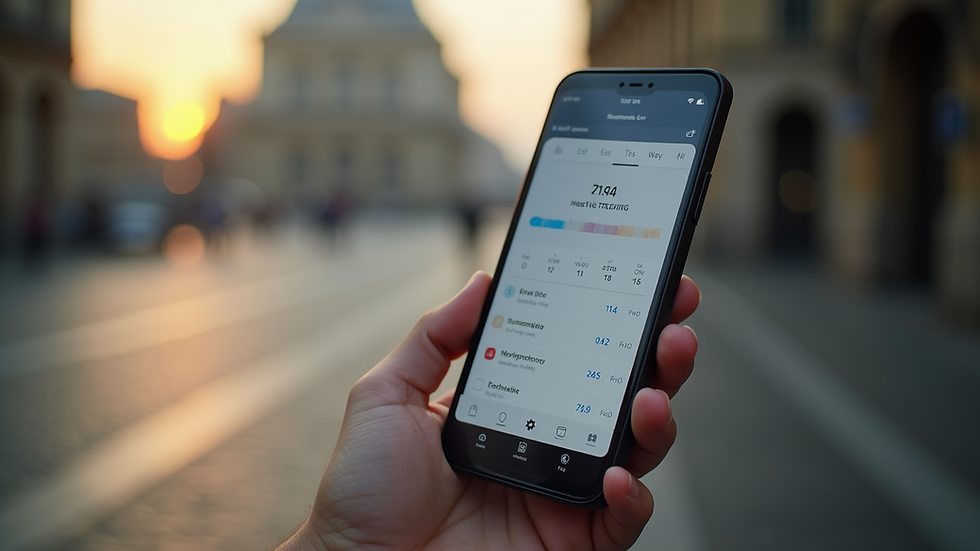
Best Habit Tracking Tools to Try
Here are some top habit tracking tools that I recommend. Each has unique features that cater to different needs.
1. Simple Checklist Apps
If you prefer minimalism, checklist apps work well. They let you mark habits as done or not done each day. This method is straightforward and quick.
Pros: Easy to use, no distractions, fast input.
Cons: Limited data analysis, no reminders in some apps.
Examples include Google Keep or Apple Reminders. You can create a daily checklist and tick off habits as you complete them.
2. Dedicated Habit Tracker Apps
These apps focus solely on habit tracking. They offer features like streak counts, habit reminders, and progress graphs.
Pros: Detailed tracking, motivational visuals, habit streaks.
Cons: Some require subscriptions, can be overwhelming.
Popular options include Habitica, Loop Habit Tracker, and Streaks. These apps help build momentum by showing your progress over time.
3. Journaling and Mood Tracking Apps
Combining habit tracking with journaling can deepen self-awareness. These apps let you log habits and reflect on your feelings or challenges.
Pros: Insightful, supports emotional tracking, encourages reflection.
Cons: More time-consuming, requires discipline.
Apps like Day One or Journey allow you to add notes and photos alongside habit data. This approach suits those who want to understand the why behind their habits.
4. Spreadsheet Templates
For those who like customization, spreadsheets offer flexibility. You can design your own habit tracker with formulas and charts.
Pros: Fully customizable, no app dependency, free.
Cons: Requires setup, less convenient on mobile.
Google Sheets or Excel templates can be adapted to track multiple habits and visualize trends. This method works well if you enjoy data and want control over your tracking system.
5. Performance Tracking Apps
Some apps focus on overall daily performance, including habits, mood, and productivity. They provide a holistic view of your day.
Pros: Comprehensive, integrates multiple factors, detailed reports.
Cons: Can be complex, may require learning curve.
One example is Daygrade, which helps users understand their habits and improve over time by tracking daily performance. You can read more about it in daygrade reviews.

How to Learn to Day Trade for Beginners?
While habit tracking tools focus on personal growth, some habits relate to financial skills like day trading. Learning to day trade requires discipline, patience, and consistent practice. Habit tracking can support this by helping you build routines around study, market analysis, and risk management.
Start by setting small, achievable goals such as:
Reading one chapter of a trading book daily.
Practicing paper trading for 30 minutes each day.
Reviewing your trades and journaling lessons learned.
Use a habit tracker to monitor these activities. This approach builds a strong foundation and keeps you accountable. Over time, you can increase the complexity of your trading habits as your skills improve.
Tips for Choosing the Right Habit Tracking Tool
Selecting the best tool depends on your lifestyle and goals. Here are some tips to help you decide:
Identify your goals: Are you tracking simple habits or complex routines?
Consider your tech comfort: Do you prefer apps, paper, or spreadsheets?
Look for reminders: Tools with notifications help maintain consistency.
Check for data visualization: Graphs and charts motivate progress.
Test free versions: Try several tools before committing to paid options.
Remember, the best tool is the one you will use regularly. Consistency matters more than features.
Making Habit Tracking a Daily Practice
To get the most from habit tracking tools, integrate them into your daily routine. Here are some strategies:
Set a fixed time each day to update your tracker.
Use reminders to prompt habit completion.
Review your progress weekly to adjust goals.
Celebrate small wins to stay motivated.
Combine habit tracking with journaling for deeper insight.
By making habit tracking a habit itself, you create a positive feedback loop that supports lasting change.
Enhancing Self-Awareness Through Habit Tracking
Habit tracking is more than checking boxes. It builds self-awareness by showing how your actions affect your well-being and goals. Over time, you learn which habits boost your energy and which drain it.
Using tools like Daygrade can help you connect daily performance with habits. This insight allows you to make informed decisions and improve your routines effectively.
Tracking habits also reveals patterns that might otherwise go unnoticed. For example, you might discover that exercising in the morning improves your mood all day. This knowledge empowers you to design a life that supports your best self.
Using the right habit tracking tools can transform your personal development journey. Whether you choose a simple checklist or a comprehensive app, the key is to stay consistent and reflect on your progress. Start small, track daily, and watch your habits lead to meaningful growth.


Comments